
Fresh mozzarella is one of the most rewarding cheeses you can make at home because it transforms a handful of simple ingredients into a soft, silky cheese with an incredible milky flavor. In this guide, you’ll learn how to make fresh mozzarella recipe using simple ingredients and easy techniques .While many people assume homemade mozzarella is difficult, the process is surprisingly approachable when you understand the basic techniques and use quality ingredients. Whether you want to top homemade pizza, prepare a colorful Caprese salad, or simply enjoy warm mozzarella with olive oil and herbs, learning how to make a fresh mozzarella recipe from scratch gives you complete control over freshness, texture, and taste. Moreover, homemade cheese delivers a satisfying kitchen experience that connects you with traditional Italian cooking while producing a delicious result that is far superior to most store-bought varieties.
Why Learn How to Make Fresh Mozzarella Recipe at Home
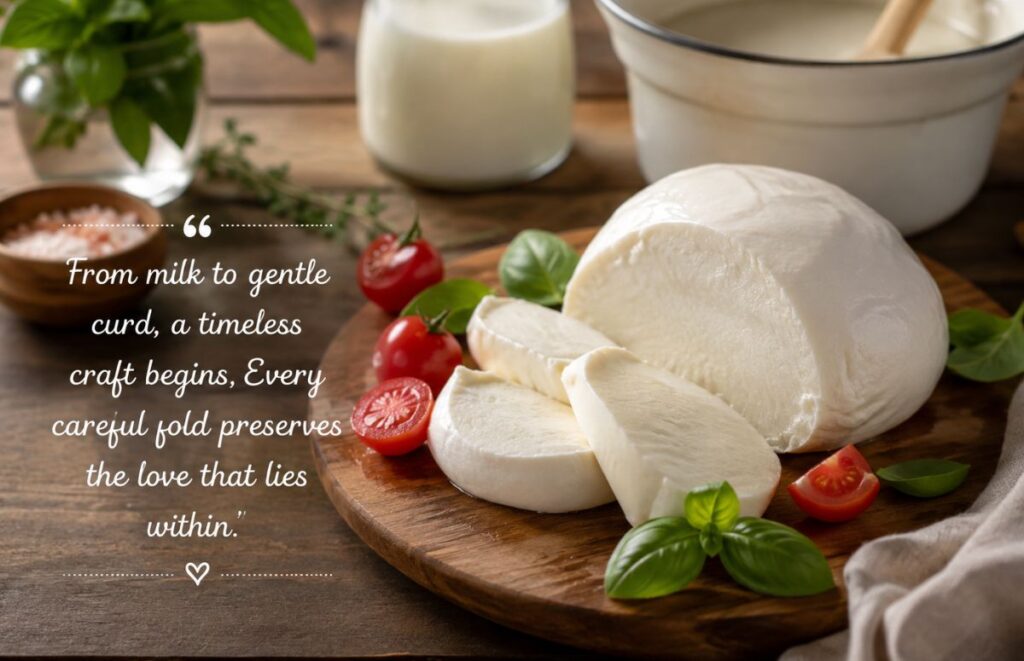
Moreover, homemade fresh mozzarella offers several advantages over packaged cheese. For instance, you can enjoy it at its freshest, which means a softer texture and richer flavor.. Furthermore, you avoid unnecessary preservatives while controlling the quality of every ingredient. If you enjoy simple meals that fit into a busy schedule, explore these quick recipes for busy people for more easy homemade meal ideas.
Benefits include:
- Fresh, creamy flavor
- Soft and stretchy texture
- Simple ingredients
- No artificial preservatives
- Perfect for pizzas, salads, sandwiches, and appetizers
- A fun and rewarding cooking project
“From milk to gentle curd, a timeless craft begins,
Every careful fold preserves the love that lies within.”
Understanding the Fresh Mozzarella Recipe
Fresh mozzarella is a soft Italian cheese traditionally made from buffalo milk, although cow’s milk is far more common today. Unlike aged cheeses, fresh mozzarella is meant to be eaten shortly after it is made. Consequently, it has a delicate flavor, smooth texture, and high moisture content.
Unlike shredded mozzarella sold in grocery stores, homemade fresh mozzarella melts beautifully while maintaining its creamy consistency.
Ingredients for How to Make Fresh Mozzarella Recipe
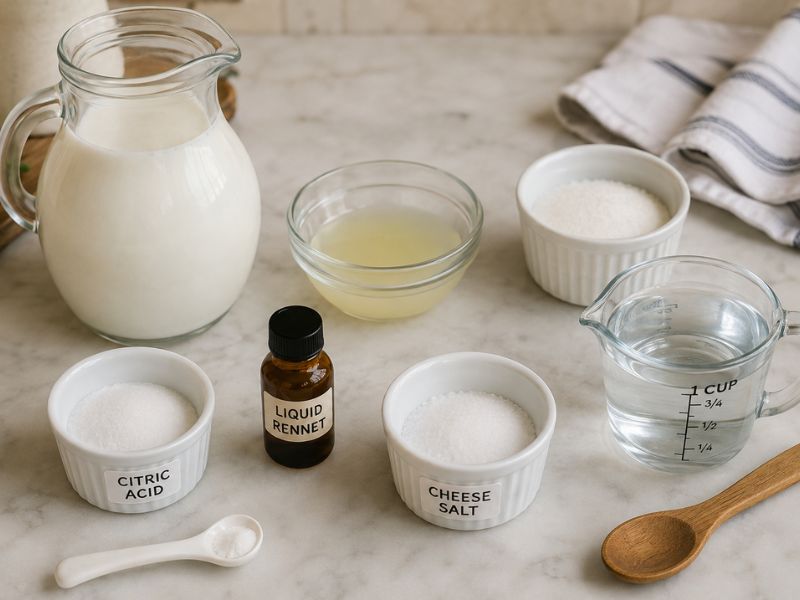
Most importantly, the quality of your ingredients plays an enormous role in the final cheese.Therefore, choose fresh milk whenever possible.
| Ingredient | Amount | Purpose | Possible Substitute |
| Whole milk | 1 gallon | Base ingredient | Pasteurized whole milk (not ultra-pasteurized) |
| Citric acid | 1½ teaspoons | Helps acidify milk | Fresh lemon juice (results may vary) |
| Liquid rennet | ¼ teaspoon | Forms curds | Rennet tablet dissolved in water |
| Non-chlorinated water | ½ cup | Mixes ingredients | Filtered water |
| Cheese salt | 1–2 teaspoons | Flavor | Kosher salt |
Equipment Needed for Homemade Mozzarella Recipe
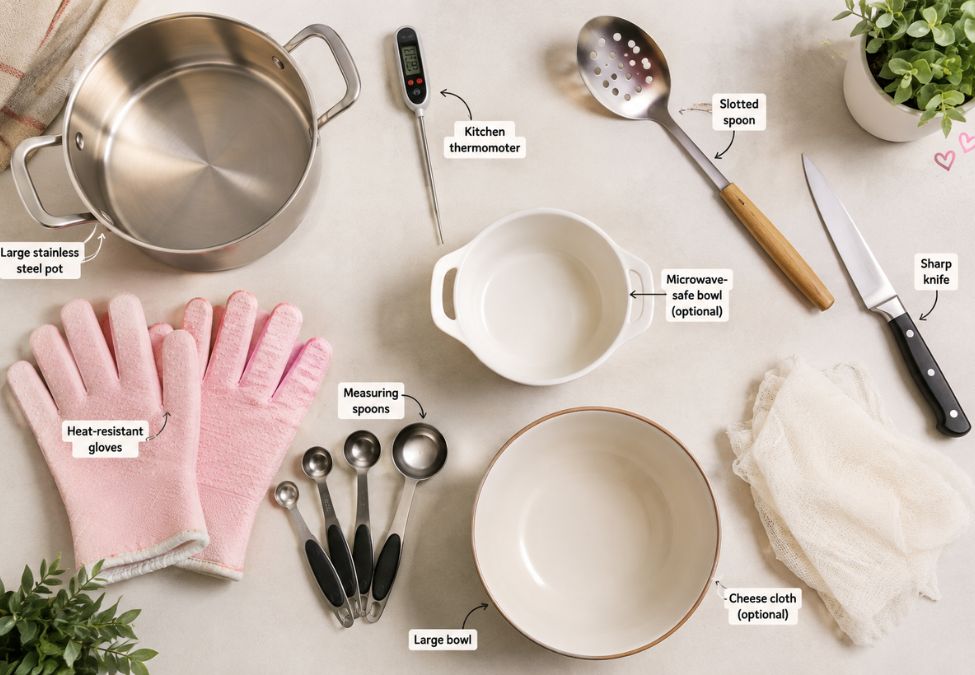
In fact, only a few basic pieces of equipment are needed.
- Large stainless steel pot
- Kitchen thermometer
- Slotted spoon
- Sharp knife
- Microwave-safe bowl (optional)
- Heat-resistant gloves
- Measuring spoons
- Large bowl
- Cheese cloth (optional)
Choosing Milk for How to Make Fresh Mozzarella Recipe
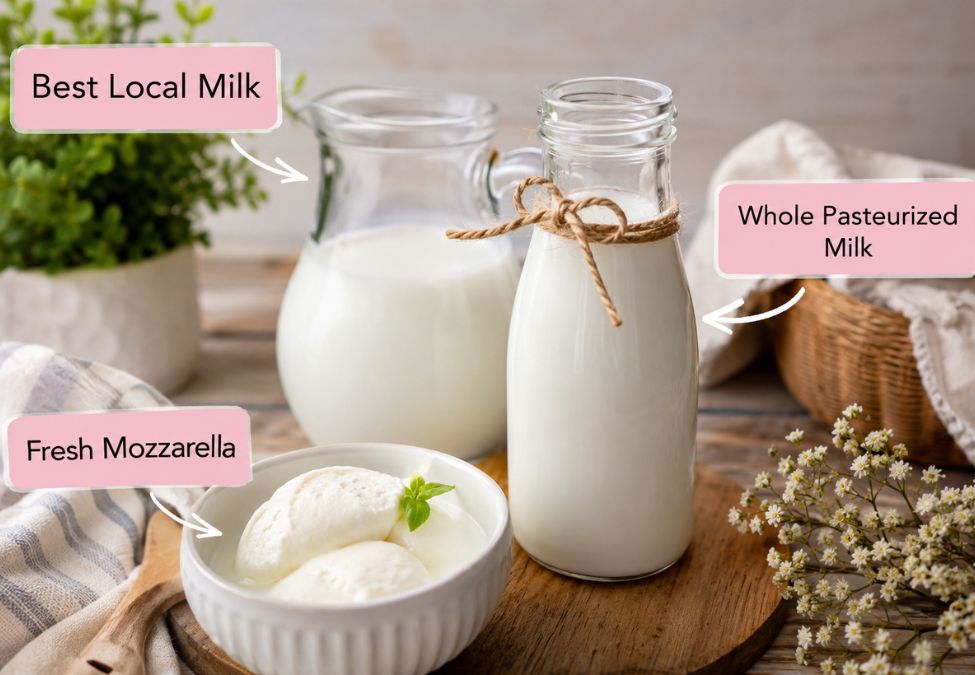
Milk selection determines whether your mozzarella succeeds or fails.
The best options include:
Whole Pasteurized Milk for Fresh Mozzarella Recipe
This is the easiest option for beginners because it creates reliable curds.
Best Local Milk for Fresh Mozzarella Recipe
In addition, fresh local milk often provides richer flavor and creamier cheese.
Avoid Ultra-Pasteurized Milk
However, ultra-high temperatures can damage the milk proteins.. As a result, curds often fail to form correctly.
Step 1: Prepare the Milk
Pour the milk into a large pot.
Meanwhile, dissolve the citric acid in filtered water before adding it to the milk.
Meanwhile, stir gently for about one minute to distribute the acid evenly.
Step 2: Heat the Milk
At this point, slowly warm the milk to approximately 90°F (32°C).
However, avoid heating too quickly because rapid temperature changes can affect curd formation.
Meanwhile, monitor the temperature with a thermometer throughout this stage.
Step 3: Add the Rennet
Mix the rennet with cool filtered water.
Meanwhile, gently stir it into the warm milk using slow up-and-down motions for about 30 seconds.
Once the rennet is mixed in, leave the milk untouched so the curds can form naturally.
As a result, after five to ten minutes, the milk should resemble soft custard.
Step 4: Cut the Curds
Firstly, use a long knife to cut the curd into one-inch cubes.
As a result, this step allows the whey to separate evenly.
Let the cubes rest for another five minutes.
Step 5: Heat the Curds
Gradually raise the temperature to approximately 105°F (40°C) while gently stirring.
Meanwhile, the curds will become firmer and begin separating from the whey.
Avoid vigorous stirring because delicate curds can easily break apart.
Step 6: Drain the Whey
Then, transfer the curds into a bowl using a slotted spoon.
Allow excess whey to drain naturally.
Although some moisture is necessary, removing too much whey may create dry mozzarella.
How to Make Fresh Mozzarella Recipe Timeline
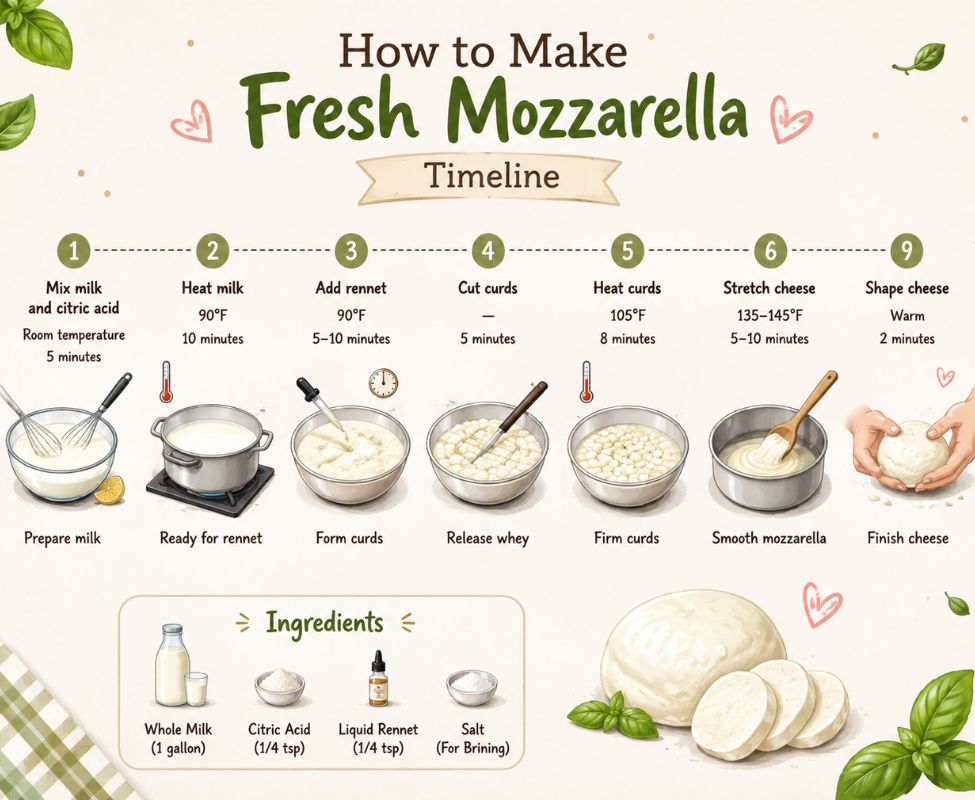
| Step | Temperature | Approximate Time | Goal |
| Mix milk and citric acid | Room temperature | 5 minutes | Prepare milk |
| Heat milk | 90°F | 10 minutes | Ready for rennet |
| Add rennet | 90°F | 5–10 minutes | Form curds |
| Cut curds | — | 5 minutes | Release whey |
| Heat curds | 105°F | 8 minutes | Firm curds |
| Stretch cheese | 135–145°F | 5–10 minutes | Smooth mozzarella |
| Shape cheese | Warm | 2 minutes | Finish cheese |
Step 7: Heat for Stretching
Therefore, fresh mozzarella becomes stretchy only after reaching approximately 135–145°F (57–63°C).
However, you can heat the curds in several different ways.
Microwave Method
Heat the curds in short intervals while draining excess whey between each round.
Hot Water Method
Alternatively, immerse the curds in very hot water before stretching them gently.
Many traditional cheesemakers prefer this method because it provides more control.
“Meanwhile, warm hands shape gentle ribbons, while soft cheese carries centuries of tradition, and every stretch tells an Italian story.“
Step 8: Stretch the Mozzarella
As the cheese becomes smooth, fold and stretch it several times.
Consequently, as the proteins align, the cheese becomes shiny, smooth, and elastic.
Nevertheless, avoid excessive stretching because it can create a rubbery texture.
Finally, shape the mozzarella into balls of your preferred size once it becomes smooth.
How to Cool the Cheese
Finally, place the finished mozzarella into cool salted water to help it firm up.
This helps preserve its smooth texture while preventing overcooking.
As a result, after cooling for about fifteen minutes, the cheese is ready to enjoy.
Best Ways to serve Fresh Mozzarella Recipe
Moreover, fresh mozzarella complements countless dishes.
Some popular serving ideas include:
Caprese Salad
Additionally, layer the mozzarella with tomatoes, basil, olive oil, and balsamic glaze.
Homemade Pizza
Because it melts beautifully, fresh mozzarella creates creamy pockets of cheese.
Pasta
Furthermore, toss warm mozzarella with roasted vegetables and pasta.
Sandwiches
Add slices to grilled panini or ciabatta. If you enjoy quick homemade meals, you can also explore can biscuit recipes for easy breakfast, lunch, and dinner ideas.
Bruschetta
Additionally, pair it with tomatoes, garlic, basil, and toasted bread.
Cheese Board
Serve alongside olives, fruit, nuts, and cured meats.
Flavor Variations
Once you’ve mastered the basic recipe, you can experiment with different flavors to create your own unique variations.
Try adding:
- Fresh basil
- Garlic
- Italian seasoning
- Cracked black pepper
- Chili flakes
- Sun-dried tomatoes
- Smoked paprika
- Fresh oregano
Each variation creates a unique homemade cheese.
Common Mistakes to Avoid
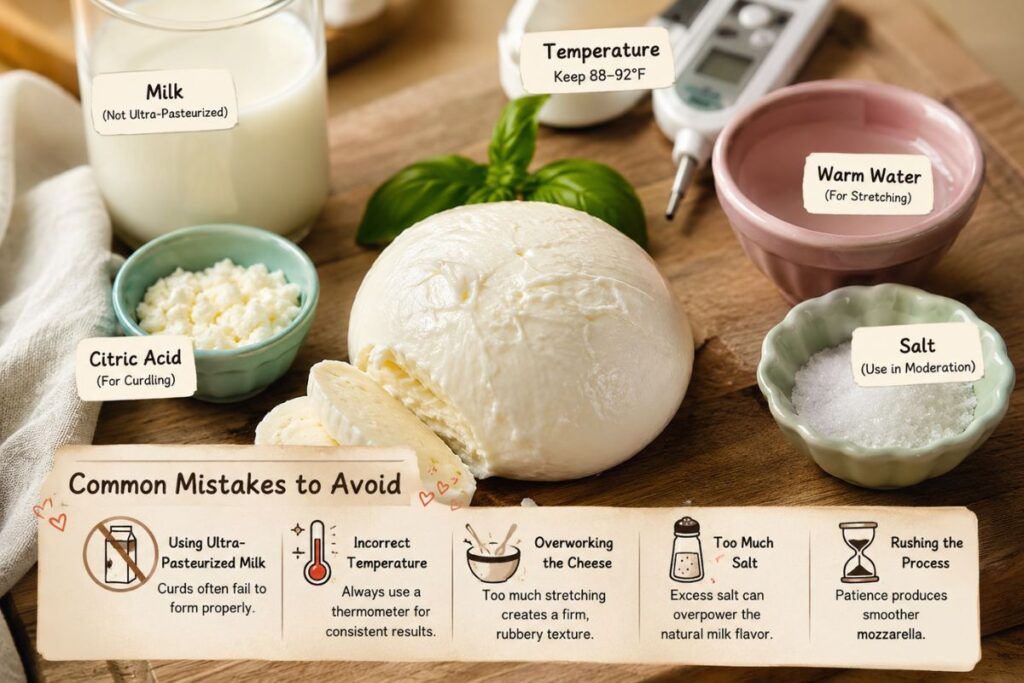
Even experienced home cheesemakers occasionally encounter problems.
Using Ultra-Pasteurized Milk
As a result, curds often fail to form properly.
Incorrect Temperature
In addition, use a thermometer to maintain consistent temperatures throughout the process.
Overworking the Cheese
However, too much stretching can create a firm, rubbery texture.
Too Much Salt
Similarly, excess salt can overpower the natural milk flavor.
Rushing the Process
Patience produces smoother mozzarella.
Troubleshooting and Storage Guide
| Problem | Possible Cause | Solution |
| Curds won’t form | Poor milk or weak rennet | Use fresh whole milk and fresh rennet |
| Cheese won’t stretch | Temperature too low | Heat curds to 135–145°F |
| Cheese feels rubbery | Overstretched | Stretch only until smooth |
| Cheese is dry | Too much whey removed | Leave slight moisture in curds |
| Cheese spoils quickly | Improper storage | Refrigerate in salted water |
How to Store Fresh Mozzarella
In general, fresh mozzarella tastes best within one or two days.
However, proper storage extends freshness.
Store it in:
- Lightly salted water
- Airtight container
- Refrigerator
Avoid freezing whenever possible because freezing changes the delicate texture.
Nutritional Benefits
Moreover, fresh mozzarella contains several important nutrients.
It provides:
- High-quality protein
- Calcium
- Phosphorus
- Vitamin B12
- Healthy fats
- Moderate carbohydrates
Consequently, it can fit into many balanced diets when enjoyed in moderation.
“Simple milk becomes treasured cheese,
Through patience, warmth, and careful hands,
The finest recipes honor simplicity.”
Tips for Perfect Homemade Mozzarella Every Time
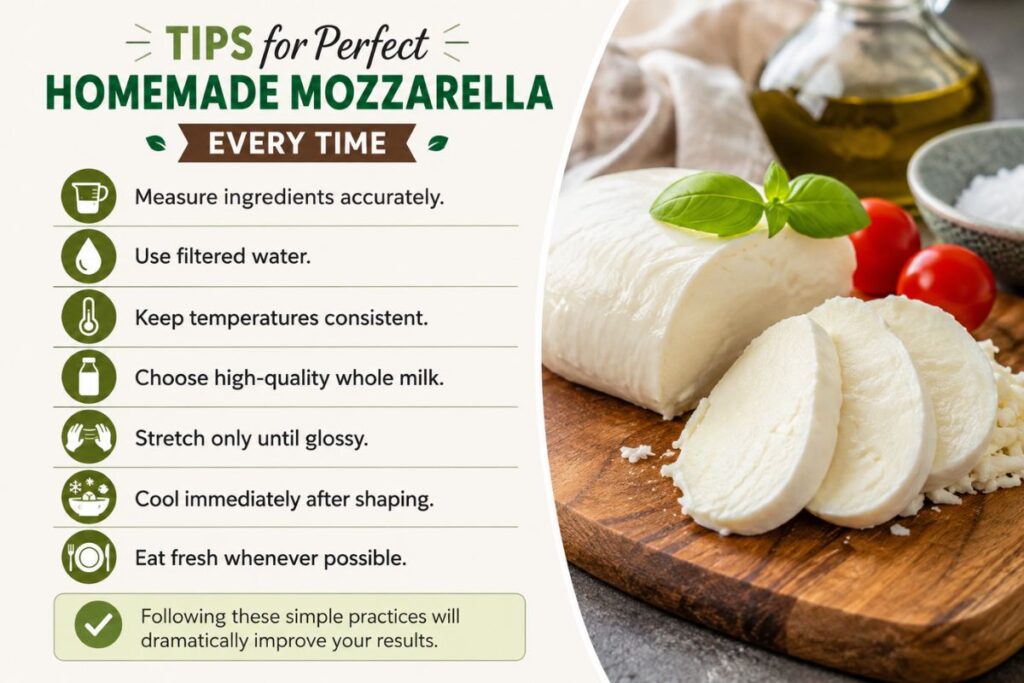
- Measure ingredients accurately.
- Use filtered water.
- Therefore, keep temperatures consistent throughout the process.
- Choose high-quality whole milk.
- Stretch only until glossy.
- Cool immediately after shaping.
- Eat fresh whenever possible.
Following these simple practices will dramatically improve your results.
Final Thought
Fresh mozzarella proves that extraordinary food can come from remarkably simple ingredients when careful technique and patience come together .Ultimately, learning how to make a fresh mozzarella recipe allows you to enjoy unmatched freshness, incredible flavor, and endless serving possibilities. Whether you enjoy it on pizza, in salads, alongside crusty bread, or simply drizzled with olive oil, each batch becomes a rewarding reminder that authentic Italian cooking often celebrates simplicity above all else. With practice, every attempt will become smoother, creamier, and even more delicious than the last .Now that you know how to make fresh mozzarella recipe, you can enjoy soft, creamy homemade cheese anytime.
Frequently Asked Questions
1. Can I use ultra-pasteurized milk for mozzarella?
However, ultra-pasteurized milk usually does not form proper curds.
2. How long does homemade fresh mozzarella last?
Generally, fresh mozzarella is best eaten within one to three days.
3. Is how to make fresh mozzarella recipe suitable for beginners?
In fact, this recipe is simple enough for beginners.
4. Can I freeze fresh mozzarella?
Yes, but freezing changes its texture and reduces freshness.
5. What is the best way to serve fresh mozzarella?
Additionally, serve it fresh with tomatoes, basil, olive oil, or on homemade pizza.