
Empanadas are one of the most comforting and versatile pastries you can make at home, and the secret to their irresistible texture begins with mastering how to make an empanada dough recipe from scratch. While ready-made dough is convenient, homemade dough offers a richer flavor, a flakier bite, and the flexibility to bake or fry your empanadas exactly the way you like. Moreover, preparing the dough yourself allows you to control every ingredient, ensuring a fresh and preservative-free result. Whether you plan to fill your empanadas with seasoned beef, chicken, cheese, vegetables, or sweet fruit fillings, this easy recipe creates a soft, pliable dough that is simple to work with and bakes into beautifully golden pastries. By following this guide on how to make empanada dough recipe, you’ll confidently create homemade empanada dough that tastes better than store-bought versions every single time.
Why Learn How to Make Empanada Dough Recipe?
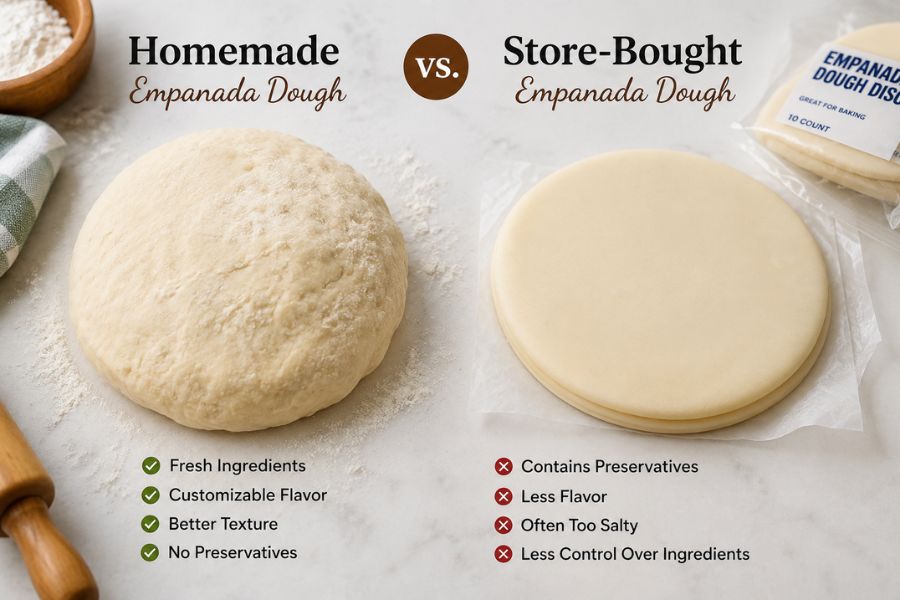
Although store-bought dough saves time, homemade dough offers several advantages that make the extra effort worthwhile.
- Fresher taste and aroma
- Better texture with a flaky yet tender crust
- No unnecessary preservatives
- Easy to customize with different fats or seasonings
- Suitable for both baked and fried empanadas
- Budget-friendly for large batches
Furthermore, making your own dough helps you understand how each ingredient affects the final texture, allowing you to improve your baking skills over time.
Ingredients for How to Make Empanada Dough Recipe
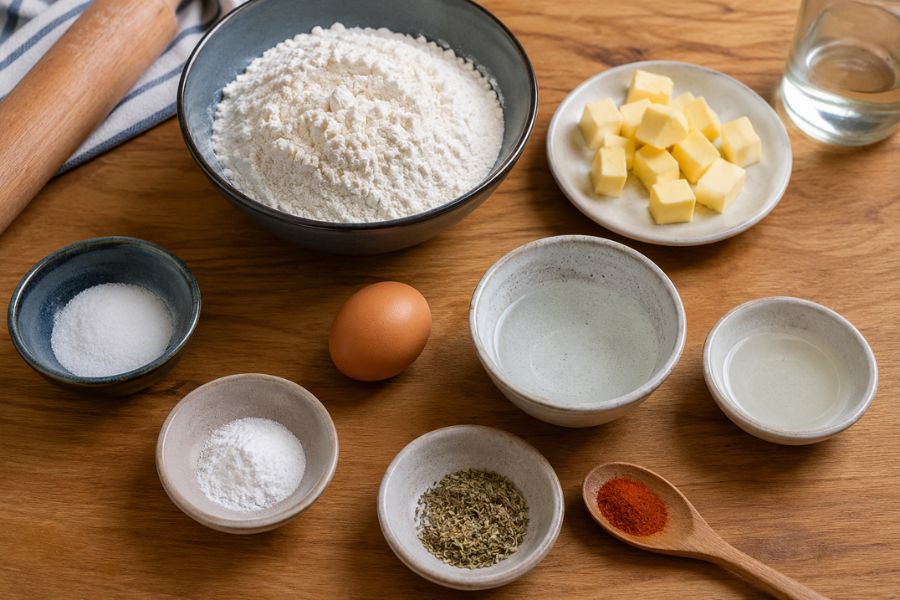
Simple pantry staples are all you need to prepare delicious homemade empanada dough.
| Ingredient | Quantity | Purpose |
| All-purpose flour | 3 cups | Forms the dough structure |
| Salt | 1 teaspoon | Enhances flavor |
| Baking powder (optional) | 1 teaspoon | Creates a lighter texture |
| Cold unsalted butter | ½ cup (113 g) | Produces flaky layers |
| Large egg | 1 | Adds richness and elasticity |
| Cold water | ½ cup (approximately) | Brings the dough together |
| White vinegar | 1 tablespoon | Keeps the dough tender |
Optional additions
- Paprika for color
- Garlic powder for savory flavor
- Dried herbs for extra aroma
Understanding the Role of Each Ingredient
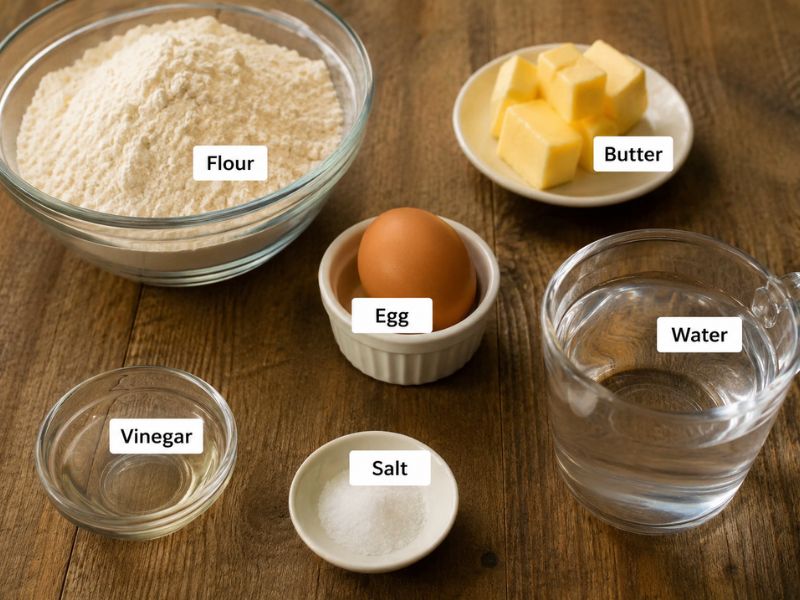
Additionally, every ingredient contributes to the success of your empanada dough.
| Ingredient | Why It’s Important |
| Flour | Provides structure and strength |
| Butter | Helps develop delicate, flaky layers as the butter melts in the oven. |
| Egg | Improves flexibility and richness |
| Water | Hydrates the flour to form dough |
| Vinegar | Prevents excessive gluten development |
| Salt | Balances flavor throughout the dough |
As a result, using quality ingredients makes a noticeable difference in both flavor and texture.
Equipment You’ll Need
Fortunately, this recipe requires only basic kitchen tools.
- Large mixing bowl
- Measuring cups and spoons
- Pastry cutter or fork
- Rolling pin
- Plastic wrap
- Baking sheet
- Round cutter or small bowl
- Pastry brush
How to Make Empanada Dough Recipe Step by Step
Step 1: Combine the Dry Ingredients
To begin, place the flour, salt, and optional baking powder into a large mixing bowl. Whisk everything together until evenly combined. This simple step ensures that the salt and baking powder are distributed throughout the flour before adding the wet ingredients.
Step 2: Cut the Butter into the Flour
Next, add the cold butter cut into small cubes.
Using a pastry cutter, two knives, or even your fingertips, work the butter into the flour until the mixture resembles coarse crumbs with small pea-sized pieces of butter remaining.
Importantly, avoid overmixing because those small butter pieces create flaky layers during baking.
Step 3: Mix the Wet Ingredients
In a separate bowl, whisk together:
- Egg
- Cold water
- Vinegar
The vinegar may seem unusual; however, it helps create a more tender dough while making it easier to roll.
Step 4: Form the Dough
Gradually pour the wet mixture into the flour mixture while gently stirring with a fork.
Once the dough begins to come together, gently press everything into a single ball. Meanwhile, handle the dough as little as possible to maintain a tender texture.
If the dough feels dry, add one tablespoon of cold water at a time.
Conversely, if it becomes sticky, sprinkle in a little extra flour.
The goal is a smooth dough that feels soft but not wet.
Step 5: Knead Gently
Place the dough onto a lightly floured work surface.
Knead it gently for about two to three minutes.
Unlike bread dough, empanada dough should not be kneaded extensively because too much gluten development makes it tough instead of tender.
Step 6: Chill the Dough
Shape the dough into a flat disk.
Wrap it tightly with plastic wrap.
Refrigerate for at least one hour.
Even better, chill it for two hours if time allows.
During this resting period, the gluten relaxes and the butter firms up again, making the dough much easier to roll without shrinking.
Flour-to-Fat Ratio Comparison
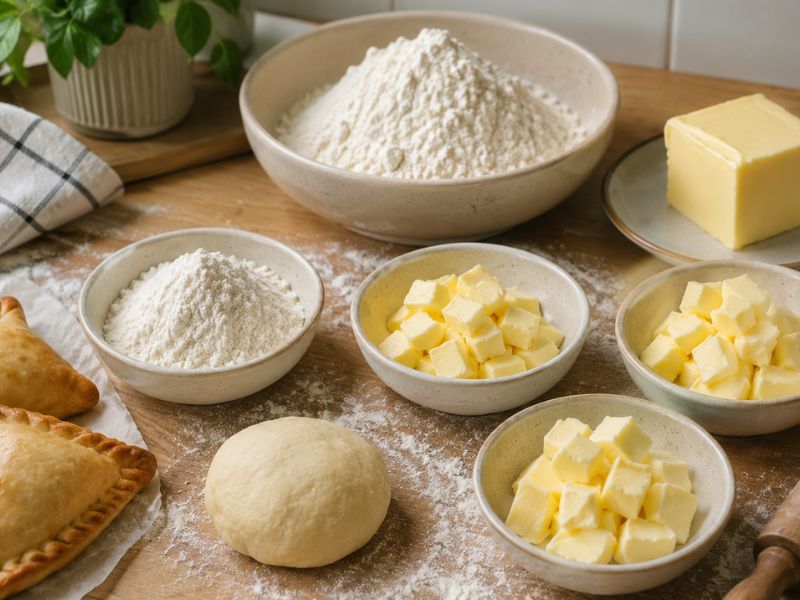
Importantly, choosing the right balance between flour and fat helps determine the final texture of your empanada dough.
| Flour | Butter | Texture |
| 3 cups | ½ cup | Balanced and flaky |
| 3 cups | ⅓ cup | Firmer dough |
| 3 cups | ⅔ cup | Extra flaky but softer |
| 3 cups | ¾ cup | Rich pastry-style crust |
Generally, the classic 3 cups of flour to ½ cup of butter provides the best balance for most homemade empanadas.
Rolling Out the Dough
After chilling, remove the dough from the refrigerator and allow it to sit for about five to ten minutes. This brief rest softens the butter just enough to make rolling easier without compromising the flaky texture.
Lightly flour your work surface and rolling pin before rolling the dough to about ⅛ inch (3 mm) thick. Try to maintain an even thickness throughout so every empanada cooks uniformly.
Next, use a round cutter, small bowl, or plate to cut circles measuring approximately 4 to 6 inches in diameter. Then, depending on the size of empanadas you want to make, adjust the circle size accordingly. Afterward, gather the leftover dough and gently press it back together. Then, roll it out once more to cut additional circles. Additionally, avoid re-rolling the scraps too many times because excessive handling can make the dough less tender.
Filling and Sealing the Dough
Once your dough circles are ready, it’s time to add your favorite filling. Whether you’re using seasoned beef, shredded chicken, fresh mozzarella cheese, vegetables, or a sweet fruit mixture, make sure the filling has cooled completely before assembling the empanadas. Hot filling can soften the dough, making it difficult to seal and increasing the chances of leaks during cooking.
Next, place about 1 to 2 tablespoons of filling in the center of each dough circle. Meanwhile, leave a small border around the edges to make sealing easier. However, avoid overfilling the dough, as too much filling can cause it to tear or burst open during cooking.
Next, lightly brush the edge of the dough with water or beaten egg. Fold the dough over the filling to create a half-moon shape, then press the edges together with your fingers. Finally, for a decorative finish and a more secure seal, firmly crimp the edges with a fork or, alternatively, create a traditional rope-like pattern by folding and pinching the edges all the way around.
Finally, arrange the assembled empanadas on a parchment-lined baking sheet while you prepare the remaining pieces.
Baking vs. Frying Empanadas
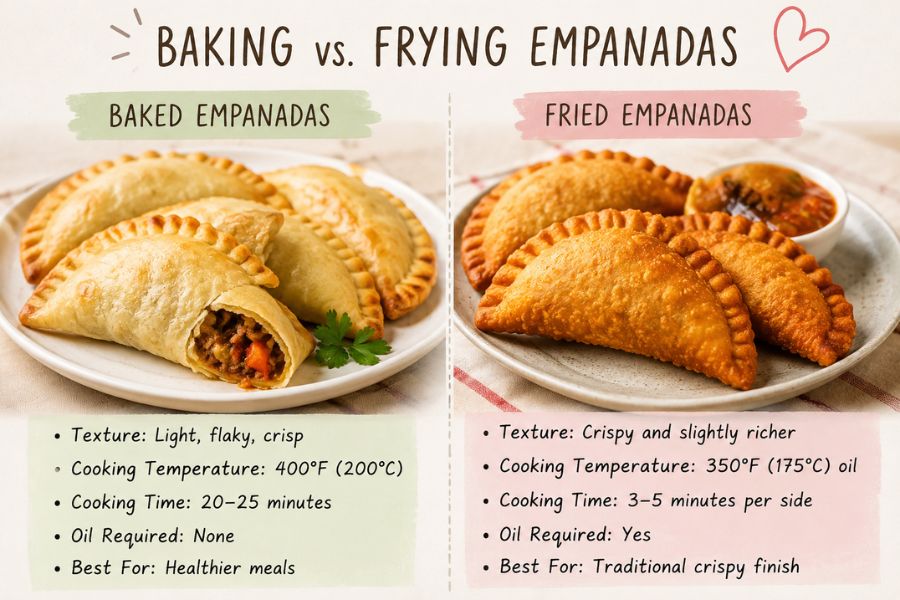
One of the best things about this how to make empanada dough recipe is its versatility. The same dough works beautifully whether you prefer baked or fried empanadas. Each method creates a different texture, so choose the one that best suits your taste.
| Feature | Baked Empanadas | Fried Empanadas |
| Texture | Light, flaky, crisp | Crispy and slightly richer |
| Cooking Temperature | 400°F (200°C) | 350°F (175°C) oil |
| Cooking Time | 20–25 minutes | 3–5 minutes per side |
| Oil Required | None | Yes |
| Best For | Healthier meals | Traditional crispy finish |
If you’re baking, brush each empanada with an egg wash before placing them in the oven. This simple step gives them a beautiful golden color and an appealing shine.
For frying, heat enough oil in a deep pan to fully cover at least half of each empanada. Meanwhile, fry the empanadas in small batches to maintain a consistent oil temperature. Afterward, carefully remove the golden-brown empanadas from the oil and place them on a paper towel-lined plate to absorb the remaining oil.
Pro Tips for the Best How to Make Empanada Dough Recipe
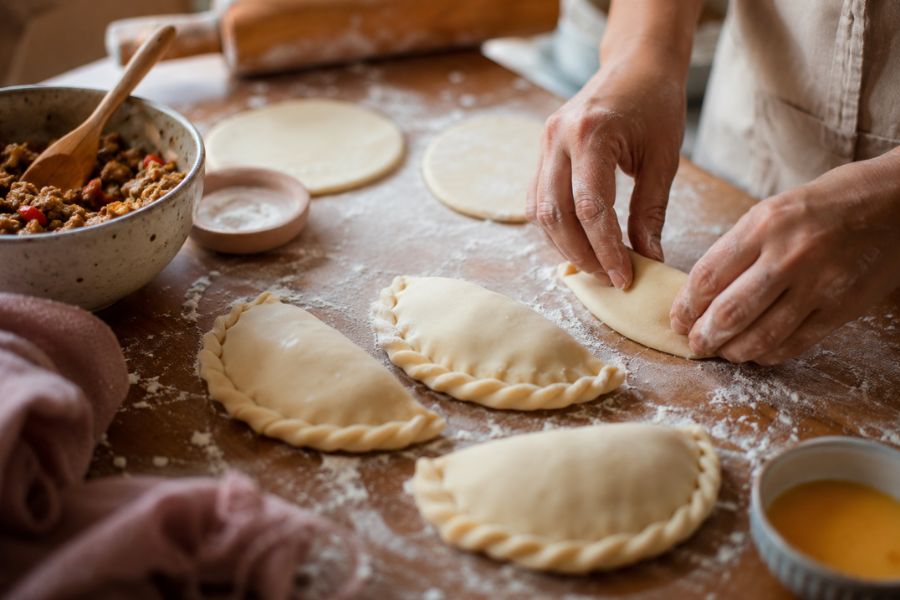
Even though this recipe is beginner-friendly, a few professional techniques can make your dough even better.
Always Use Cold Ingredients
Cold butter and cold water are essential because they help create flaky layers as the butter melts during baking.
Measure Flour Correctly
Instead of scooping flour directly with the measuring cup, spoon it into the cup and level it off with a knife. As a result, this helps prevent adding too much flour, which could make the dough dry.
Don’t Overwork the Dough
Mix and knead only until the dough comes together. Overworking develops too much gluten, resulting in a chewy rather than tender crust.
Chill Before Rolling
As a result, allowing the dough to rest relaxes the gluten, making it much easier to roll without shrinking.
Use Cooled Fillings
Warm fillings create steam inside the dough, which may weaken the seal and cause the empanadas to split during cooking.
Seal the Edges Well
Whether using water or egg wash, sealing the edges properly helps keep the filling inside throughout baking or frying.
Bake on a Preheated Baking Sheet
For extra crisp bottoms, place the baking sheet in the oven while it preheats, then carefully transfer the empanadas onto the hot tray.
How to Store Your Homemade Empanada Dough Recipe
Additionally, homemade empanada dough stores exceptionally well, making it an excellent choice for meal preparation.
Refrigerator
Firstly, wrap the dough tightly in plastic wrap or store it in an airtight container. Then, refrigerate it for up to 3 days to keep it fresh.
Freezing Your Homemade Empanada Dough Recipe
For longer storage, wrap the dough in plastic wrap followed by aluminum foil or place it inside a freezer-safe bag. Freeze for up to 3 months.
Before using frozen dough, thaw it overnight in the refrigerator. Then allow it to rest at room temperature for about 15 to 20 minutes before rolling.
Can You Freeze Uncooked Empanadas?
Yes, absolutely! Additionally, freezing assembled empanadas is a convenient way to prepare meals ahead of time.
Arrange the uncooked empanadas on a baking sheet in a single layer and freeze until firm. Once frozen, transfer them to a freezer-safe container or bag.
When you’re ready to cook them, bake or fry directly from frozen. Simply add a few extra minutes to the cooking time, and they’ll turn out just as delicious.
Common Mistakes When Making Empanada Dough Recipe
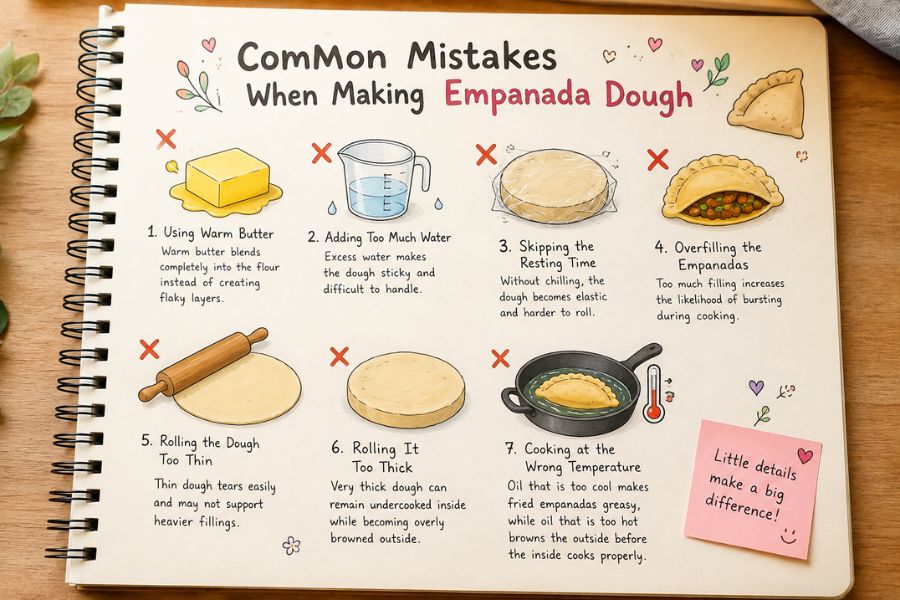
Although making empanada dough is straightforward, avoiding these common mistakes will help ensure excellent results every time.
Using Warm Butter
Warm butter blends completely into the flour instead of creating flaky layers.
Adding Too Much Water
Excess water makes the dough sticky and difficult to handle.
Skipping the Resting Time
Without chilling, the dough becomes elastic and harder to roll.
Overfilling the Empanadas
Too much filling increases the likelihood of bursting during cooking.
Rolling the Dough Too Thin
Thin dough tears easily and may not support heavier fillings.
Rolling It Too Thick
Very thick dough can remain undercooked inside while becoming overly browned outside.
Cooking at the Wrong Temperature
Oil that is too cool makes fried empanadas greasy, while oil that is too hot browns the outside before the inside cooks properly.
Easy Variations for Empanada Dough Recipe
Once you’ve mastered the classic recipe, experiment with different styles to suit your preferences. If you’re looking for more easy homemade ideas using convenient dough, explore these can biscuit recipes for quick meals and desserts.
- Whole Wheat Dough: Replace part of the all-purpose flour with whole wheat flour for a nuttier flavor.
- Butter and Lard Combination: Use half butter and half lard for an even flakier texture.
- Herb Dough: Mix dried oregano, parsley, or thyme into the flour for added flavor.
- Spiced Dough: Add smoked paprika, cumin, or black pepper for a savory twist.
- Sweet Dough: Reduce the salt slightly and add a tablespoon of sugar for dessert empanadas filled with apples, berries, or dulce de leche.
These variations allow you to customize the dough while maintaining its soft, workable texture.
Frequently Asked Questions
1. Can I make empanada dough ahead of time?
Yes, you can refrigerate the dough for up to three days before using it.
2. What is the best flour for empanada dough?
All-purpose flour provides the ideal balance of tenderness and structure.
3. Can I freeze homemade empanada dough?
Yes, properly wrapped dough can be frozen for up to three months.
4. Why is my empanada dough cracking?
Cracking usually happens when the dough is too dry or hasn’t rested long enough.
5. Is homemade empanada dough better than store-bought?
Homemade dough offers fresher flavor, better texture, and greater control over ingredients.
Conclusion
Learning how to make an empanada dough recipe from scratch is a rewarding skill that transforms simple ingredients into delicious homemade pastries with a tender, flaky crust. By using cold ingredients, handling the dough gently, allowing it to rest, and following the techniques shared in this guide, you’ll achieve consistently excellent results whether you bake or fry your empanadas. Moreover, homemade dough is easy to customize, stores well, and pairs perfectly with countless savory and sweet fillings. Now that you know how to make empanada dough recipe, you can confidently prepare fresh, homemade empanadas whenever you like.